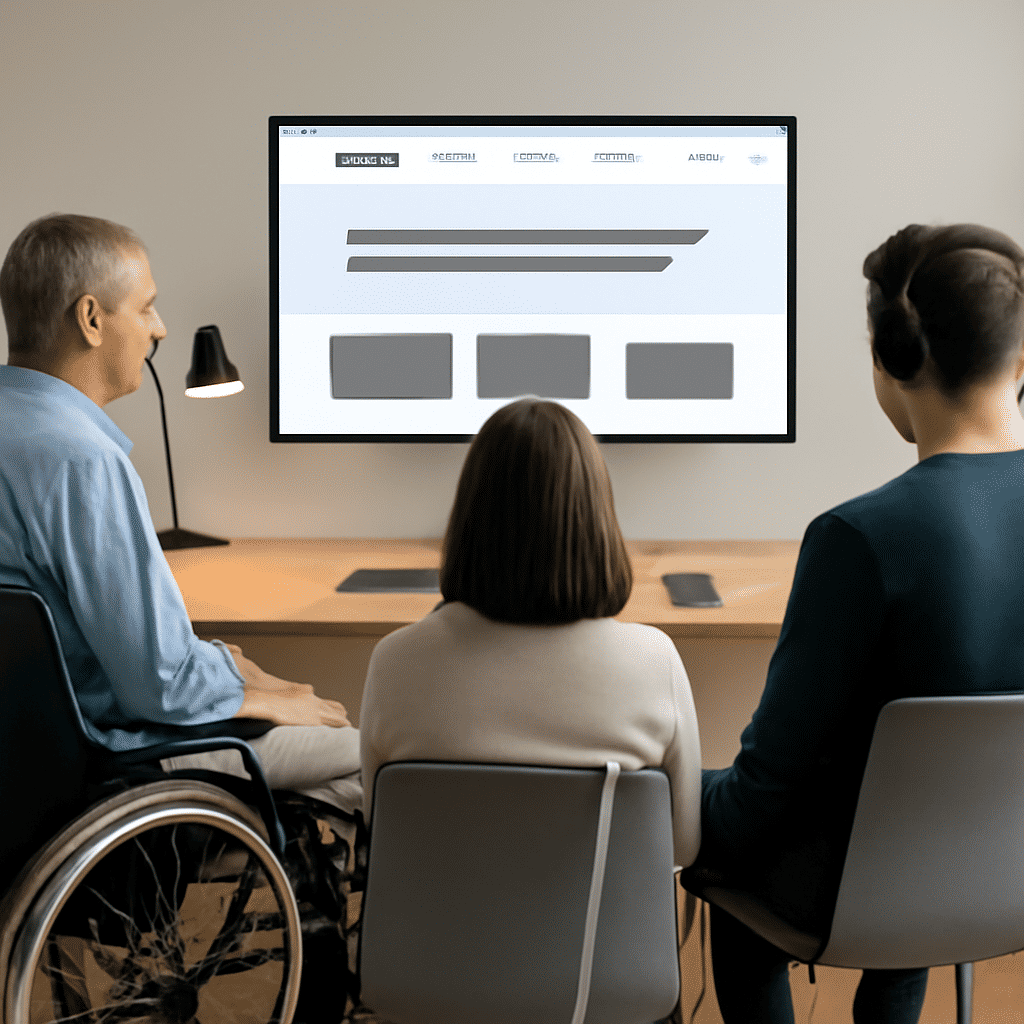
Creating welcoming digital spaces for individuals of all abilities has become an imperative focus in today’s technology-driven world. Emphasizing accessibility ensures that virtual environments are usable and inviting to everyone, including people with disabilities. This approach underlines the commitment to inclusivity, strengthening the connection with a diverse audience and enhancing overall engagement.
One can achieve accessibility by following specific best practices in development. Color contrast is crucial. High contrast between text and background improves readability for individuals with visual impairments. Similarly, choosing fonts that are clean and easy to read further enhances this effect.
Navigation is another important factor. Simple, logical menus and clear headings allow users to easily find the information they seek. Proper use of labels for buttons and forms, along with voice command capabilities, can greatly assist individuals who rely on screen readers or voice recognition software.
Moreover, it's advantageous to provide multiple methods for content consumption. Videos should include captions and transcripts, ensuring that people with hearing difficulties can still receive the message. Descriptive text or alternative tags for images assist those with vision impairments in understanding the visual content.
Creating keyboard-accessible components is essential for those who cannot use a mouse. This includes enabling tab navigation and allowing users to complete actions with key commands. Testing websites with various accessibility tools ensures that these elements function smoothly.
An equally important aspect is the availability of clear, understandable content. Complex language or jargon can deter or confuse users, particularly those with cognitive disabilities. Simplifying text and providing summaries helps in maintaining engagement and understanding.
Finally, involving individuals with disabilities in the design and testing phases brings invaluable insights. Their first-hand experiences can reveal issues that might be overlooked otherwise, and their feedback can guide meaningful improvements.
Prioritizing accessibility is more than a technical requirement; it’s a commitment to diversity and equality in the digital realm. By fostering an inclusive web environment, we pave the way for equal opportunities and a richer, more engaging world for everyone.